Ah… the age-old Etsy Debate… What is handmade, really?
Do you make a deliberate choice to shop handmade? Would you be disappointed if you bought something that you thought had been handmade by an artisan, only to find out it was made in a factory? Does it matter whether the factory is in China or New York? What if the factory consists of only 5 staff? What if there are 45?
As many people know, Etsy has opened the field to allow collective shops, a loose terms that allows a team of people to run an Etsy shop. Collectives allow two or more artisans to run a shop cooperativly, it also allows a shop owner to hire out tasks, like shipping, listing, etc. It stipulates that all handmade items must be made by members of the collective, but what if the collective consists of 15 people, 12 of whom work in a factory? This has greatly clouded Etsy’s definition of “handmade.”
It bothers me sometimes when I see items that are clearly produced by a larger team of people, being marketed as “handmade.” Handmade is becoming as trendy as Gluten Free and Organic, and has become as diluted as those terms as well. The problem is, the whole idea of “handmade” is such an innately vague notion that it is really hard to separate what is legitimately handmade and what isn’t.
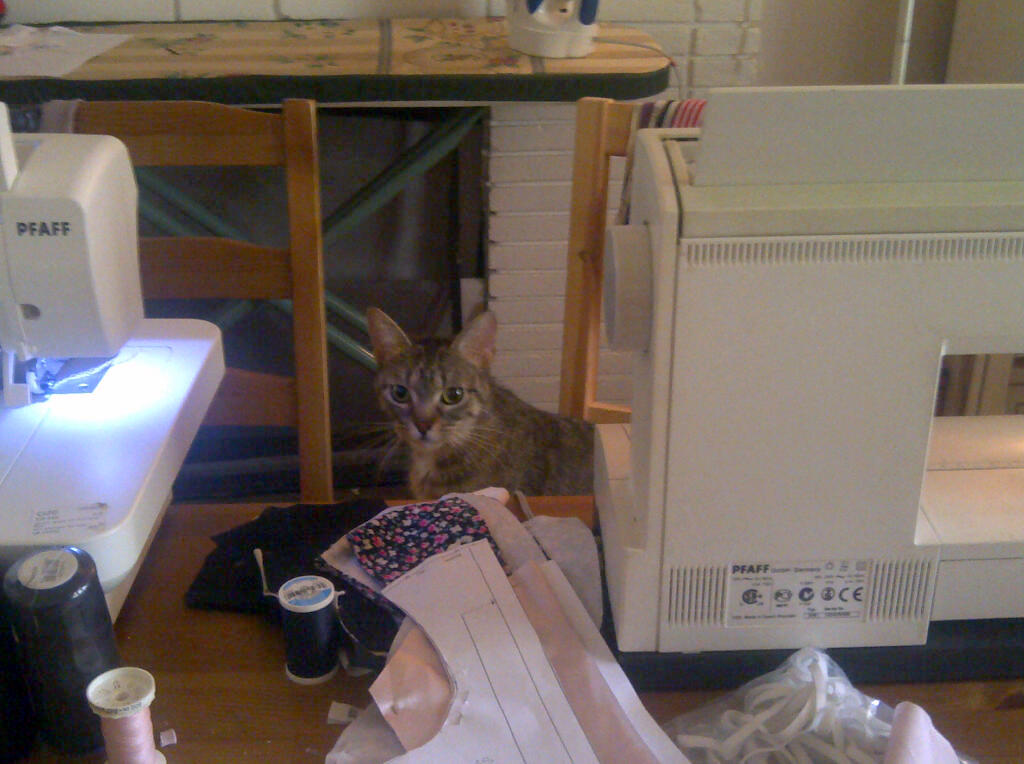
I can whole heatedly say my garments are handmade. I design them, I source the fabric, I cut & sew, I package and mail. What if I designed, packaged and mailed, but got a friend to cut & sew… what if instead of a friend, I sent them to a workshop in Toronto? Someone still made them, right? As long as I list the sewers names on my about me page, I can still sell, as a handmade seller on Etsy? At what point does something stop being handmade?
Sometimes it is hard to stay competitive against larger collectives, or smaller brands who produce on a larger scale through factories locally and abroad. It can be a challenge to convey to the average consumer why they should buy handmade by an individual, when handmade often costs more, and takes much longer to produce.
I think the essence of a collective is a great idea, and I actually have a collective idea in the works. Its the loose definition of the term on Etsy, a site to buy handmade items, that worries me.
I also don’t think there is anything wrong with buying workshop-made. I buy stuff like that all the time. Workshop-made, especially if made in North America is awesome – think of the jobs it brings. I think it’s just a matter of transparency. When you buy something on Etsy, do you expect that the person you buy it from made it? When you buy something from Mod Cloth, you know it went through a series of hands. Does it even really matter any more?
I almost feel that Etsy should abandon the whole notion of “Handmade” and focus on the craft. I don’t really consider myself as much of a designer as I do a craftsperson. A craftsperson is someone who practices a trade of handicraft. They are skilled. They have worked years to master their art. I think that is what Etsy is about, and I think that is what consumers expect. That is, if Etsy even cares anymore…
I’m so behind on the times, I only recently read a Regretsy post about a seller who was chosen for Etsy’s esteemed Featured Seller (oh how I’d love to be one, Etsy!) spot. She sold “handmade” furniture out of reclaimed wood. What was unclear was how the furniture was being made. It was being sold not just on etsy, but on websites like Overstock.com. She claimed that wood was being imported from Bali and that she has 4 hired worker to assemble the furniture. However, the company she was importing from was a furniture manufacturer and sells the exact same pieces on their website that she is selling as her own. It was pretty clear that her pieces were being imported. Etsy stood firm and claimed that this fit within the confines of a collective. Since the piece was posted in May (on Etsy & Regretsy), the shop has disappeared from Etsy.
The obvious resellers on Etsy don’t really bother me, like the ones selling Leg Avenue lingerie. They are obvious, and they don’t even try to disguise themselves. It’s the ones that blur the lines, who have 2 or three staff of “designers” but produce in a workshop. To me, this is when the idea of craftsmanship gets lost, which, I think, is what Etsy is all about… This is where an item stops being handmade.
Anyway, I would love to hear your thoughts. I know it’s kind of a dead topic, but I’d love to see Etsy shift their focus from handmade to craftsmanship.
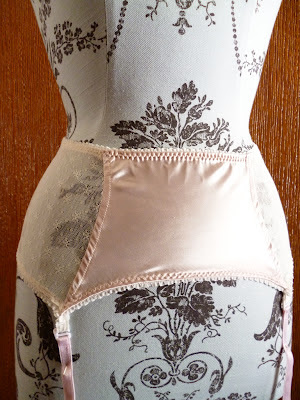
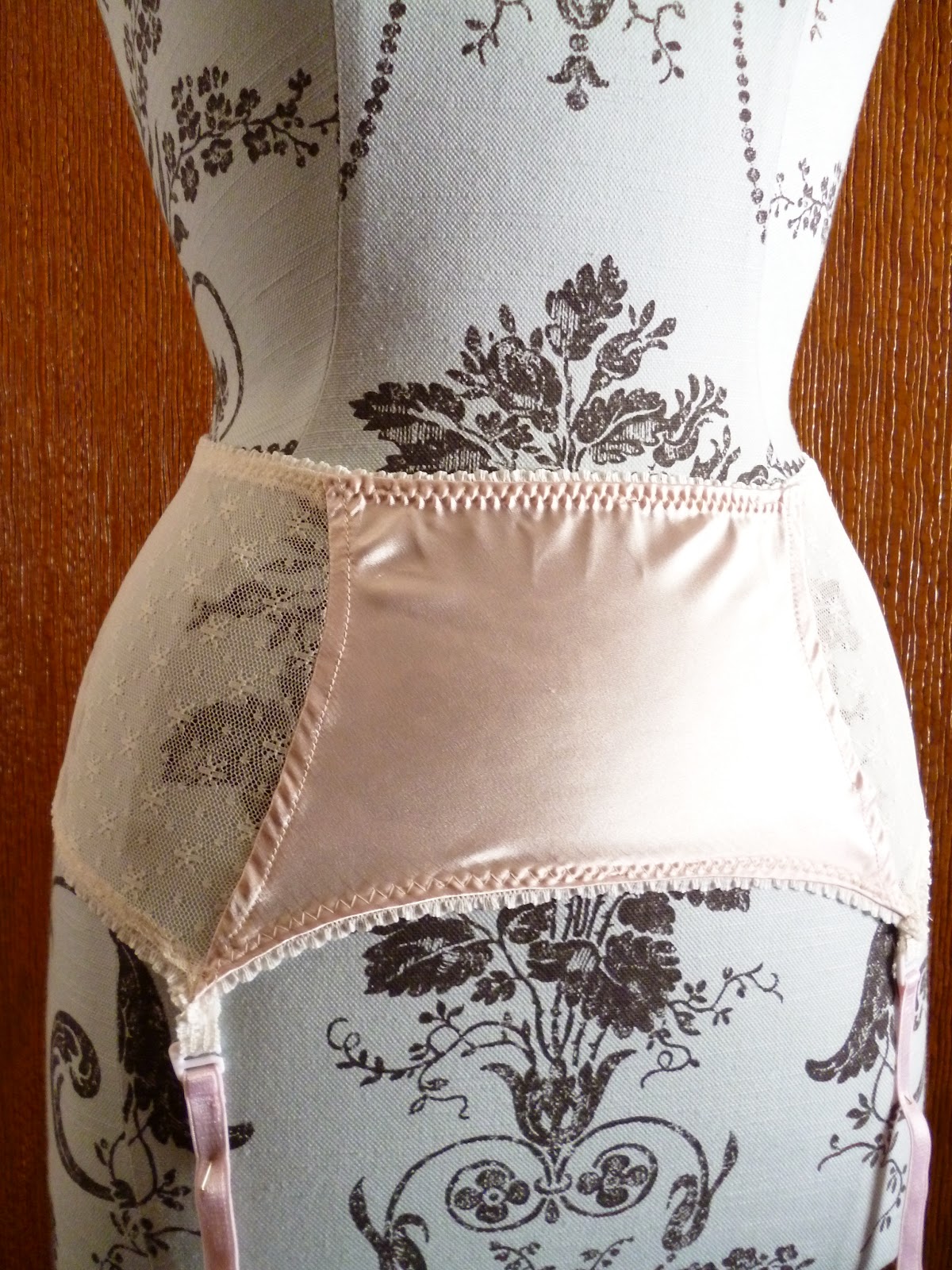
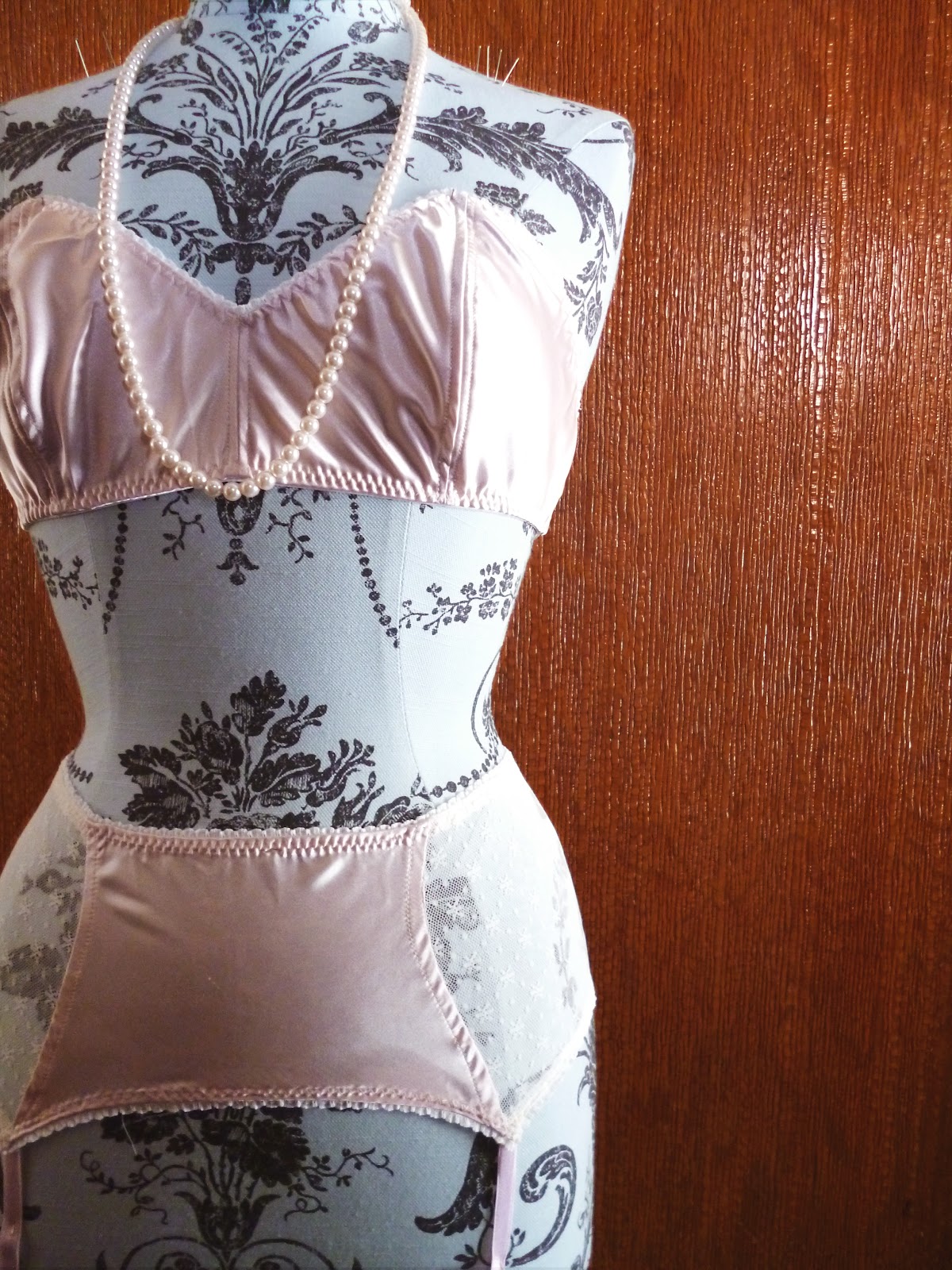
In other news, I have been working on a garter belt design, which you can see below.